


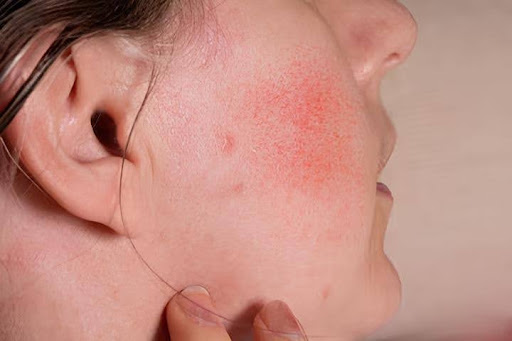
People with sensitive skin are often cautious about aesthetic procedures because even minor changes in skincare products or environmental factors can trigger redness, burning, or irritation.
As a result, many ask: Can sensitive skin still undergo PRP treatment?
In many cases, the answer is yes. PRP (Platelet-Rich Plasma) may be considered for suitable candidates because it uses plasma derived from the patient’s own blood. However, treatment suitability should always be determined through a professional medical assessment.
Contents
- 0.1 What Is PRP?
- 0.2 Why Are People with Sensitive Skin Concerned About Cosmetic Treatments?
- 0.3 Can PRP Cause Allergic Reactions?
- 0.4 Is PRP Suitable for Sensitive Skin?
- 0.5 Potential Benefits of PRP for Sensitive Skin
- 0.6 Who Should Be Cautious Before Undergoing PRP?
- 0.7 PRP Treatment at Oceania
- 0.8 Conclusion
- 1 Frequently Asked Questions
What Is PRP?
PRP involves collecting a small sample of the patient’s blood and processing it to isolate platelet-rich plasma.
This plasma contains growth factors that may support:
- Tissue regeneration
- Skin quality improvement
- Recovery after certain aesthetic procedures
- Natural skin rejuvenation processes
Why Are People with Sensitive Skin Concerned About Cosmetic Treatments?
Sensitive skin often reacts more easily to:
- Skincare products
- Environmental changes
- Active ingredients
- Certain procedures
Therefore, treatment selection should be individualized to minimize the risk of unwanted irritation.
Can PRP Cause Allergic Reactions?
One of the unique aspects of PRP is that it uses the patient’s own blood components.
Because PRP is autologous, the risk of allergic reactions to the plasma itself is generally considered low compared with treatments that introduce foreign substances into the body.
However, this does not mean PRP is appropriate for everyone or entirely free of potential risks. A physician should always assess each patient’s health condition and skin status before treatment.
Is PRP Suitable for Sensitive Skin?
In many cases, yes.
PRP may be considered for individuals who:
- Have easily irritated skin
- Experience redness frequently
- Have sensitive or thin skin
- Prefer treatments that use their own biological materials
However, patients with active skin infections, uncontrolled inflammatory skin conditions, or certain medical contraindications may need to postpone treatment.
Potential Benefits of PRP for Sensitive Skin
Depending on the individual, PRP may support:
Improved Skin Quality
Growth factors may help support natural regenerative processes.
Recovery Support
PRP is sometimes combined with other procedures to assist the healing process.
Skin Rejuvenation
Some patients choose PRP as part of a comprehensive anti-aging treatment plan.
Results vary depending on individual skin conditions and treatment goals.
Who Should Be Cautious Before Undergoing PRP?
A medical evaluation is recommended for people who:
- Have active skin infections or inflammation
- Have certain blood disorders
- Take medications that affect blood clotting
- Have underlying medical conditions requiring further assessment
PRP Treatment at Oceania
PRP (Platelet-Rich Plasma) is a treatment that uses the patient’s own blood to obtain platelet-rich plasma containing growth factors that may support skin regeneration and recovery.
At Oceania, PRP is not performed using a one-size-fits-all approach. Every patient receives a personalized treatment plan developed after a comprehensive medical assessment and skin evaluation.
Comprehensive Assessment Before Treatment
Before undergoing PRP, physicians evaluate:
- Skin condition and signs of aging.
- Skin sensitivity.
- Previous aesthetic treatment history.
- Specific concerns such as dull skin, acne scars, loss of elasticity, or post-procedure recovery needs.
A thorough assessment helps determine whether PRP is suitable and allows physicians to create an individualized treatment strategy.
Closed-Loop Process Following Medical Standards
All PRP procedures at Oceania are performed in a licensed medical facility and follow strict standards for:
- Sterilization and infection control.
- Patient safety.
- Quality assurance.
- Post-treatment monitoring and care.
The entire process—from blood collection and plasma preparation to treatment and follow-up—is conducted according to medical protocols to ensure consistency and safety.
Authentic Technology and Medical-Grade Supplies
Oceania invests in modern technologies and authentic medical supplies with clear origins and traceability.
Many of the devices and products used in treatment comply with internationally recognized standards, including:
- FDA (U.S. Food and Drug Administration) Clearance
- CE Marking (European Conformity)
Using internationally recognized technologies and materials helps support quality control and professional standards of care.
Highly Personalized PRP Protocols
Depending on each patient’s needs, PRP may be incorporated into treatment plans to:
- Support overall skin quality improvement.
- Aid recovery after selected aesthetic procedures.
- Support tissue regeneration.
- Complement other rejuvenation technologies when clinically appropriate.
There is no universal PRP protocol because every patient’s skin condition and treatment goals are unique.
Long-Term Follow-Up and Patient Support
Following PRP treatment, patients receive guidance on skincare and follow-up evaluations to monitor progress and optimize long-term outcomes.
This commitment to ongoing care and individualized treatment planning is one of the factors that makes PRP treatment at Oceania comprehensive, patient-centered, and tailored to each individual’s needs.
Conclusion
Having sensitive skin does not automatically mean you are not a candidate for PRP.
Because PRP uses platelet-rich plasma derived from your own blood, it is generally considered a low-allergy treatment option and may be suitable for many individuals with sensitive skin after proper medical evaluation.
If you have sensitive, easily irritated skin and are looking for a skin rejuvenation option, consulting a qualified physician can help determine whether PRP is right for you.
Frequently Asked Questions
Can sensitive skin undergo PRP treatment?
In many cases, yes, but an individual medical assessment is necessary.
Does PRP cause allergies?
Because PRP uses the patient’s own plasma, the risk of allergic reactions to the plasma itself is generally low.
Is PRP suitable for red, easily irritated skin?
Some individuals with easily irritated skin may still be good candidates for PRP, depending on their condition.
Can PRP improve skin quality?
PRP may support skin regeneration and improve overall skin quality in suitable candidates.
Who should avoid PRP?
People with active infections, certain blood disorders, or specific medical contraindications should consult a physician before treatment.