


Contents
- 1
- 2 Is Winter Really Better Than Summer for Laser Melasma Treatment?
- 3 Why Do People Prefer Winter?
- 4 Can You Safely Have Pico Laser During Summer?
- 5 Does the Season Affect Pico Laser Settings?
- 6 How Pico Laser Treats Pigmentation
- 7 Personalized Melasma Treatment at Oceania
- 8 Why Choose Oceania?
- 9 Final Thoughts
- 10 Frequently Asked Questions (FAQ)
- 10.0.1 Is winter better than summer for Pico Laser treatment?
- 10.0.2 Can I have laser treatment during Vietnam’s summer?
- 10.0.3 Does the physician adjust laser settings based on the season?
- 10.0.4 How many Pico Laser sessions are usually needed?
- 10.0.5 Can expatriates receive melasma treatment at Oceania?
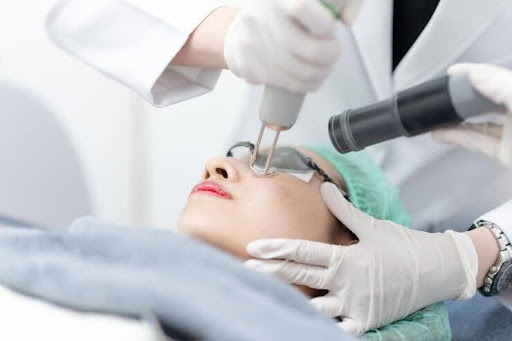
Is Winter Really Better Than Summer for Laser Melasma Treatment?
Many people believe that laser treatment for melasma should only be performed during winter, assuming that stronger sunlight in summer will automatically reduce treatment success.
Fortunately, this is one of the most common misconceptions in aesthetic dermatology.
Thanks to modern technologies such as Pico Laser, together with physician-guided treatment planning and proper post-treatment care, melasma can be treated throughout the year.
The most important factors are not the season itself, but:
- Accurate diagnosis.
- Appropriate laser settings.
- Consistent sun protection.
- Personalized aftercare.
When these elements are properly managed, excellent results can be achieved in both summer and winter.
Why Do People Prefer Winter?
Winter offers several practical advantages for laser recovery.
Patients are generally exposed to:
- Lower UV intensity.
- Cooler temperatures.
- Less perspiration.
- Reduced outdoor activities.
These conditions may make post-treatment care slightly more comfortable.
However, winter does not automatically produce better clinical results.
Successful pigmentation treatment depends much more on:
- The type of melasma.
- Pigment depth.
- Skin type.
- Physician expertise.
- Laser technology.
- Daily sun protection.
- Patient compliance.
Can You Safely Have Pico Laser During Summer?
Absolutely.
Many local residents, expatriates, and international visitors receive successful laser treatments throughout the hottest months of the year.
The key is protecting the skin from excessive UV exposure after treatment.
Your physician will typically recommend:
- Broad-spectrum sunscreen.
- Protective hats and sunglasses.
- Avoiding prolonged direct sunlight.
- Following personalized skincare instructions.
- Attending scheduled follow-up visits.
When these recommendations are followed consistently, summer treatments can be just as effective as winter treatments.
Does the Season Affect Pico Laser Settings?
One important fact many patients don’t realize is that laser settings are never identical for every individual.
Experienced physicians customize treatment based on multiple factors, including:
- Melasma type.
- Pigmentation depth.
- Fitzpatrick skin type.
- Skin sensitivity.
- Previous laser history.
- Lifestyle.
- Daily sun exposure.
- Seasonal environmental conditions.
Rather than delaying treatment until winter, physicians adjust treatment parameters to match your skin’s current condition and environmental exposure.
How Pico Laser Treats Pigmentation
Pico Laser delivers ultra-short picosecond pulses that fragment excess melanin into microscopic particles.
These pigment particles are gradually cleared by the body’s natural processes.
Depending on individual assessment, Pico Laser may help improve:
- Melasma.
- Sunspots.
- Freckles.
- Post-inflammatory hyperpigmentation.
- Uneven skin tone.
- Overall skin brightness.
Treatment settings are always personalized according to each patient’s clinical needs.
Personalized Melasma Treatment at Oceania
At Oceania, every pigmentation condition is carefully evaluated before treatment begins.
Our physicians assess:
- Type of pigmentation.
- Depth of melanin.
- Fitzpatrick skin type.
- Previous treatments.
- Daily UV exposure.
- Occupation.
- Skincare routine.
- Individual aesthetic goals.
Based on this comprehensive evaluation, a personalized treatment plan is created.
Instead of using identical settings for every patient, physicians adjust Pico Laser parameters, treatment intervals, and aftercare protocols according to both skin condition and seasonal factors.
Why Choose Oceania?
Physician-Led Diagnosis
Every patient is examined by an experienced physician before treatment begins.
Accurate diagnosis is essential because different pigmentation disorders—including melasma, post-inflammatory pigmentation, freckles, Hori’s nevus, and Ota nevus—require different treatment approaches.
Personalized Laser Protocols
No two pigmentation cases are identical.
Treatment parameters are individually customized, including:
- Laser energy.
- Pulse settings.
- Treatment intervals.
- Recovery protocols.
- Home skincare recommendations.
This personalized approach helps maximize treatment effectiveness while minimizing unnecessary irritation.
Authentic Pico Laser Technology
Oceania utilizes genuine professional Pico Laser systems.
Many technologies used in the clinic comply with internationally recognized standards, including:
- FDA Clearance (United States).
- CE Certification (European Union).
Regular equipment maintenance and quality control help ensure consistent treatment performance and patient safety.
Medical-Standard Safety Protocols
Every treatment follows strict medical protocols, including:
✔ Physician consultation.
✔ Comprehensive skin assessment.
✔ Individualized laser settings.
✔ Continuous treatment monitoring.
✔ Personalized post-treatment skincare guidance.
These protocols support both safety and long-term pigmentation management.
Year-Round Pigmentation Treatment
At Oceania, treatment is not limited to winter.
Instead, physicians adjust laser settings and skincare recommendations according to:
- Seasonal weather.
- UV intensity.
- Patient lifestyle.
- Occupational sun exposure.
- Individual skin sensitivity.
This flexible approach allows patients to begin treatment as soon as pigmentation becomes a concern, rather than waiting several months for colder weather.
Trusted by International Patients
Oceania welcomes:
- Expats living in Vietnam.
- International professionals.
- Medical tourists.
- Overseas visitors.
Our bilingual English-Vietnamese team provides comprehensive support throughout consultation, treatment, and follow-up care, making the experience comfortable and convenient for international patients seeking advanced pigmentation treatment in Vietnam.
Final Thoughts
There is no universally “best” season for laser melasma treatment.
With modern Pico Laser technology, physician-led treatment planning, appropriate laser settings, and diligent sun protection, pigmentation can be safely and effectively treated throughout the year.
At Oceania, every patient receives a personalized treatment strategy based on skin type, pigmentation characteristics, lifestyle, and seasonal conditions—helping achieve natural, long-lasting improvements while prioritizing skin health and safety.
Frequently Asked Questions (FAQ)
Is winter better than summer for Pico Laser treatment?
Winter may offer more comfortable recovery due to lower UV exposure, but excellent results can be achieved year-round with appropriate physician guidance and consistent sun protection.
Can I have laser treatment during Vietnam’s summer?
Yes. Many patients undergo successful Pico Laser treatments during summer. Proper sunscreen use, protective clothing, and physician-guided aftercare are essential.
Does the physician adjust laser settings based on the season?
Yes. Experienced physicians may customize laser parameters according to skin condition, pigmentation type, UV exposure, and environmental factors to optimize both safety and results.
How many Pico Laser sessions are usually needed?
The number of sessions depends on the type and severity of pigmentation, skin response, and individual treatment goals. Your physician will recommend a personalized treatment plan after evaluation.
Can expatriates receive melasma treatment at Oceania?
Absolutely. Oceania regularly treats expatriates and international patients, providing English-speaking consultations, personalized physician-led care, authentic Pico Laser technology, and medical-standard treatment protocols tailored to diverse skin types.