


Contents
- 1
- 2 What Is Laser Toning?
- 3 How Does Laser Toning Work?
- 4 Can Laser Toning Treat Melasma?
- 5 Can Laser Toning Make Skin Brighter?
- 6 Is Laser Toning a Skin Rejuvenation Treatment?
- 7 Who May Be Suitable for Laser Toning?
- 8 Why Is a Professional Assessment Important?
- 9 Laser Toning Treatment Process at Oceania
- 10 Why Choose Oceania for Laser Toning?
- 11 How Should You Care for Your Skin After Laser Toning?
- 12 How Many Laser Toning Sessions Are Needed?
- 13 Conclusion
- 14 FAQ – Frequently Asked Questions
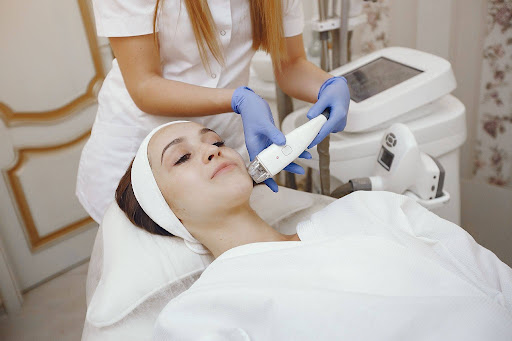
What Is Laser Toning?
Over time, skin can develop uneven pigmentation due to factors such as UV exposure, post-inflammatory pigmentation, hormonal changes, aging and natural skin processes.
For many patients, the goal is not to change their natural skin color, but to achieve a complexion that looks more even, healthy and naturally radiant.
Laser Toning uses controlled laser energy at carefully selected settings to target pigmentation within the skin.
Depending on the device, wavelength and individual skin condition, Laser Toning may support:
- Pigmentation improvement.
- More even skin tone.
- Reduction in the appearance of selected pigmentation spots.
- Improvement of dull-looking skin.
- A brighter, more balanced complexion.
- Overall skin rejuvenation.
However, Laser Toning is not suitable for every type of melasma or pigmentation concern. Correct assessment is an essential first step.
How Does Laser Toning Work?
Laser Toning uses controlled laser energy to target selected pigment structures within the skin.
When appropriate energy is delivered, the treatment target can be addressed while minimizing unnecessary effects on surrounding tissue.
Depending on the condition, the process may be described as:
Pigment target → Controlled laser interaction → Pigment gradually processed by the body → More even-looking skin
The outcome depends on several factors, including:
- Type of pigmentation.
- Pigment depth.
- Skin tone.
- Underlying cause.
- Wavelength.
- Energy settings.
- Number of sessions.
- Sun protection and home skincare.
Can Laser Toning Treat Melasma?
Laser Toning may be considered as part of selected pigmentation treatment plans, but it should not be viewed as a universal solution for all types of melasma.
Melasma can be influenced by:
- Hormonal changes.
- Sun exposure.
- Genetics.
- Inflammation.
- Unsuitable skincare.
- Heat and environmental factors.
Melasma may also recur when triggering factors are not adequately controlled.
At Oceania, the goal is therefore not simply to make pigmentation lighter, but to develop a long-term management strategy based on the patient’s skin condition and contributing factors.
Can Laser Toning Make Skin Brighter?
It may help.
When uneven pigmentation becomes less noticeable, the complexion may appear brighter and more balanced overall.
However, “brighter skin” should be understood as:
More even tone + reduced unwanted pigmentation + healthier-looking skin
rather than changing a person’s natural skin color.
At Oceania, the focus is on natural-looking skin quality and a balanced complexion.
Is Laser Toning a Skin Rejuvenation Treatment?
Laser Toning is commonly associated with pigmentation management. However, when appropriately indicated, improving overall skin tone and complexion can contribute to a more youthful appearance.
Skin that looks:
- More even.
- Less pigmented.
- Brighter.
- Healthier.
can create a naturally fresher and more youthful appearance without changing facial structure.
Who May Be Suitable for Laser Toning?
Laser Toning may be considered for patients experiencing:
- Uneven skin tone.
- Selected pigmentation concerns.
- Brown spots.
- Dull-looking skin.
- Post-inflammatory pigmentation.
- Pigmentation-related signs of skin aging.
However, not every patient is suitable.
Patients with recurrent melasma or a history of post-inflammatory hyperpigmentation may require particularly careful assessment before laser treatment.
Why Is a Professional Assessment Important?
One common mistake is to see a brown patch and immediately choose a laser treatment.
In reality, pigmentation concerns can differ in cause, depth and behavior.
At Oceania, the physician may evaluate:
- Type of pigmentation.
- Pigment depth.
- Skin tone.
- Skin sensitivity.
- History of melasma.
- Previous laser treatments.
- Risk of post-inflammatory hyperpigmentation.
- Sun exposure habits.
This assessment helps determine whether Laser Toning is appropriate and which treatment parameters should be considered.
Laser Toning Treatment Process at Oceania
1. Skin and Pigmentation Assessment
The physician evaluates the skin and identifies the main treatment objectives.
2. Personalized Treatment Plan
There is no single energy setting or number of sessions that works for every patient.
3. Laser Parameter Adjustment
Treatment settings are selected according to:
- Skin type.
- Skin tone.
- Pigmentation type.
- Pigment depth.
- Individual skin response.
4. Monitor Skin Response
The skin is assessed throughout the treatment process so the plan can be adjusted when necessary.
5. Aftercare and Sun Protection
Proper homecare and consistent sun protection are important for maintaining treatment results.
Why Choose Oceania for Laser Toning?
Physician-Led Consultation
Patients receive professional skin assessment before a treatment method is selected.
Personalized Treatment Plans
Oceania does not use one standard Laser Toning protocol for every patient.
Treatment parameters and session plans are considered according to each individual’s skin.
Professional Technology and Equipment
Oceania uses professional equipment with clear identification and traceability. Certain technologies may meet international standards such as FDA (United States) or CE (European Union) depending on the specific device.
Medical-Standard Treatment Process
The treatment pathway follows:
Assessment → Evaluation → Personalization → Treatment → Monitoring → Aftercare.
Technology Is Selected According to the Skin
If Laser Toning is not considered appropriate, the physician may recommend another technology based on the type and depth of pigmentation.
English-Speaking Support for International Patients
Oceania provides English-speaking support for expats, international professionals and foreign residents living in Vietnam.
How Should You Care for Your Skin After Laser Toning?
Yes, aftercare is important.
Patients should generally:
- Use appropriate sunscreen.
- Minimize direct sun exposure.
- Keep the skin moisturized.
- Cleanse gently.
- Avoid strong active ingredients unless advised.
- Follow the physician’s individualized aftercare plan.
Sun protection is particularly important for patients managing melasma and pigmentation concerns.
How Many Laser Toning Sessions Are Needed?
It depends on the individual case.
The number of sessions may depend on:
- Type of pigmentation.
- Pigment severity.
- Pigment depth.
- Skin tone.
- Individual response.
- Treatment objectives.
It is unrealistic to expect one Laser Toning session to completely resolve every pigmentation concern.
The physician can evaluate the skin’s response and determine an appropriate treatment schedule.
Conclusion
Laser Toning is a technology that may be incorporated into selected pigmentation treatment plans to support a brighter, more even and healthier-looking complexion.
However, results depend not only on the technology itself but also on accurate pigmentation assessment, appropriate treatment parameters and consistent post-treatment skincare.
At Oceania, physicians directly assess each patient and develop a personalized treatment plan rather than applying the same Laser Toning protocol to everyone.
For international patients, English-speaking support makes consultation, treatment and aftercare more convenient.
FAQ – Frequently Asked Questions
Is Laser Toning a laser treatment for melasma?
Laser Toning may be used in selected pigmentation treatment plans, but not every type of melasma is suitable. A professional assessment is recommended before treatment.
Does Laser Toning whiten the skin?
Laser Toning is not designed to change your natural skin color. It may help improve uneven pigmentation and create a more even-looking complexion.
Does Laser Toning make the skin thinner?
Laser Toning is not intended to physically thin the skin. However, appropriate treatment settings are important for each individual’s skin condition.
How often should Laser Toning be performed?
There is no universal schedule. The interval between sessions depends on the skin condition, treatment settings and individual recovery.
Can international patients receive Laser Toning at Oceania?
Yes. Oceania welcomes international patients and provides English-speaking support throughout consultation, treatment and aftercare.