


Contents
- 1 Why Do You Still Get Acne After Puberty?
- 2 Frequently Asked Questions
Why Do You Still Get Acne After Puberty?
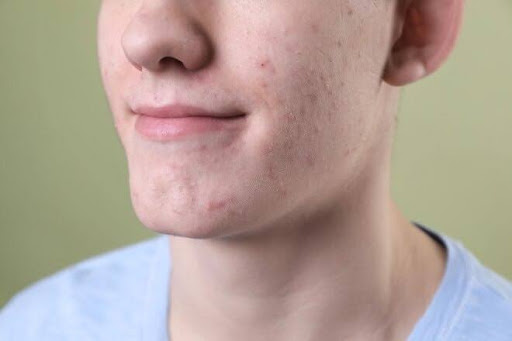
Many people believe acne only affects teenagers. However, a significant number of adults in their 20s, 30s, and even 40s continue to experience persistent or recurring breakouts.
This condition is commonly known as adult hormonal acne, a form of acne influenced by hormonal fluctuations, stress, lifestyle factors, and skin health.
Signs of Adult Hormonal Acne
Adult hormonal acne often presents as:
- Acne around the chin, jawline, and mouth.
- Inflammatory papules and cystic acne.
- Recurring breakouts.
- Acne that persists despite using various skincare products.
- A higher tendency to develop post-acne marks and scars.
Why Do Adults Still Experience Acne?
Chronic Stress
Work pressure and life stress can increase cortisol levels, potentially stimulating oil production and contributing to acne development.
Sleep Deprivation
Poor sleep quality and late nights may impair the skin’s natural repair processes and weaken the skin barrier.
Hormonal Changes
Hormonal fluctuations can occur due to:
- Menstrual cycles.
- Pregnancy and postpartum changes.
- Polycystic Ovary Syndrome (PCOS).
- Long-term stress.
- Perimenopause.
Lifestyle and Diet
High sugar intake, processed foods, alcohol consumption, and smoking may contribute to acne in some individuals.
Why Is Adult Hormonal Acne Difficult to Treat?
Unlike teenage acne, adult hormonal acne is often influenced by multiple factors at the same time, including:
- Hormonal imbalances.
- Chronic inflammation.
- Impaired skin barrier function.
- Lifestyle habits.
- Stress and sleep quality.
For this reason, topical skincare alone may not always be sufficient.
How Is Adult Hormonal Acne Treated?
Treatment should be individualized according to each patient’s needs.
Depending on the situation, physicians may recommend:
- Personalized skincare routines.
- Lifestyle modifications.
- Technologies that support acne management and skin recovery.
- Strategies to minimize the risk of acne scarring.
Adult Hormonal Acne Treatment at Oceania
At Oceania, we understand that adult acne is more than a skin concern—it can significantly impact confidence and emotional well-being.
Each patient receives a physician-led consultation and personalized treatment plan based on:
- Acne severity.
- Degree of inflammation.
- Previous treatment history.
- Hormonal and lifestyle factors.
- Individual treatment goals.
Oceania’s Multi-Technology Approach
When appropriate, physicians may combine different treatment modalities to:
- Help control inflammatory acne.
- Improve overall skin quality.
- Reduce the risk of acne marks and scarring.
- Support healthier skin over time.
Why Choose Oceania?
✔️ Physician-led consultations and continuous follow-up care.
✔️ Highly personalized treatment protocols tailored to each patient’s needs.
✔️ Treating the underlying causes rather than focusing only on surface symptoms.
✔️ Multi-technology treatment strategies designed to optimize outcomes.
✔️ Authentic technologies and medical-grade products, with many devices meeting international standards such as FDA Clearance and CE Marking.
✔️ Closed-loop treatment protocols following medical standards, emphasizing safety and quality control.
✔️ Long-term support and treatment adjustments according to the changing needs of the skin.
✔️ A commitment to natural, healthy, and sustainable skin results rather than short-term improvements alone.
Conclusion
Adult hormonal acne is common and can significantly affect confidence and quality of life.
Identifying the underlying causes and receiving an individualized treatment plan can help improve both acne control and long-term skin health.
If your acne is persistent, recurrent, or beginning to leave marks and scars, consulting a qualified physician may help you find a more comprehensive solution.
Frequently Asked Questions
Why do I still get acne after puberty?
Adult acne can be associated with stress, hormonal changes, poor sleep, and various lifestyle factors.
Where does hormonal acne usually appear?
It commonly affects the chin, jawline, and around the mouth.
Will hormonal acne go away on its own?
Depending on the underlying cause, it may persist or recur if not properly managed.
When should I seek professional advice?
If your acne is persistent, severe, or leaving scars, it is advisable to consult a physician for a proper evaluation.